
 Built by Recourse Software Inc.
Data inside the window
Truncated answers · linear cost · state lost at session end
Attention is no longer trapped inside a model. We built it as infrastructure anyone can use over any body of work - even without a model.
Recourse Software Inc.. Built in Canada
knowdrive.ai
The industry keeps making the window bigger. That treats storage as a reasoning problem, and the tax compounds three ways.
A 4,000-document data room hits the ceiling immediately. So does a 20-year client history, or 800,000 lines of legacy code. Crucially important stateful data becomes lossy.
Every query re-ships the same tokens. Frontier-grade prices get paid to hold data in memory, which is the least intelligent thing a frontier model does.
No persistent state. Users re-paste context daily, and RAG pipelines re-embed the whole corpus the moment they switch models. The knowledge exists. It has nowhere to live.
Treat the model as the CPU and the corpus as RAM. The drive holds the data; the window holds the reasoning.
Truncated answers · linear cost · state lost at session end
Complete answers · cost tracks reads · state persists forever
KnowDrive is MCP-native and multimodal. Connect it once and every agent you use, today’s and next year’s, reads the same corpus.
Sign in once. Create a store, ingest, and your agent reads it in the same session.
The exact passage, traced back to the unchanged source file it came from, ready to quote.
Text, image, audio and video land in the same store and answer the same query.
Vectorize once. Switch models, or model versions, and the same corpus answers.
Multi-tenant and enterprise-authorized from day one, with access control built into the service.
KnowDrive Inspector is a desktop client you can install today. It shows the corpus your agent reads from: what has been ingested, what it cost in atoms, and how sessions hand off to one another.
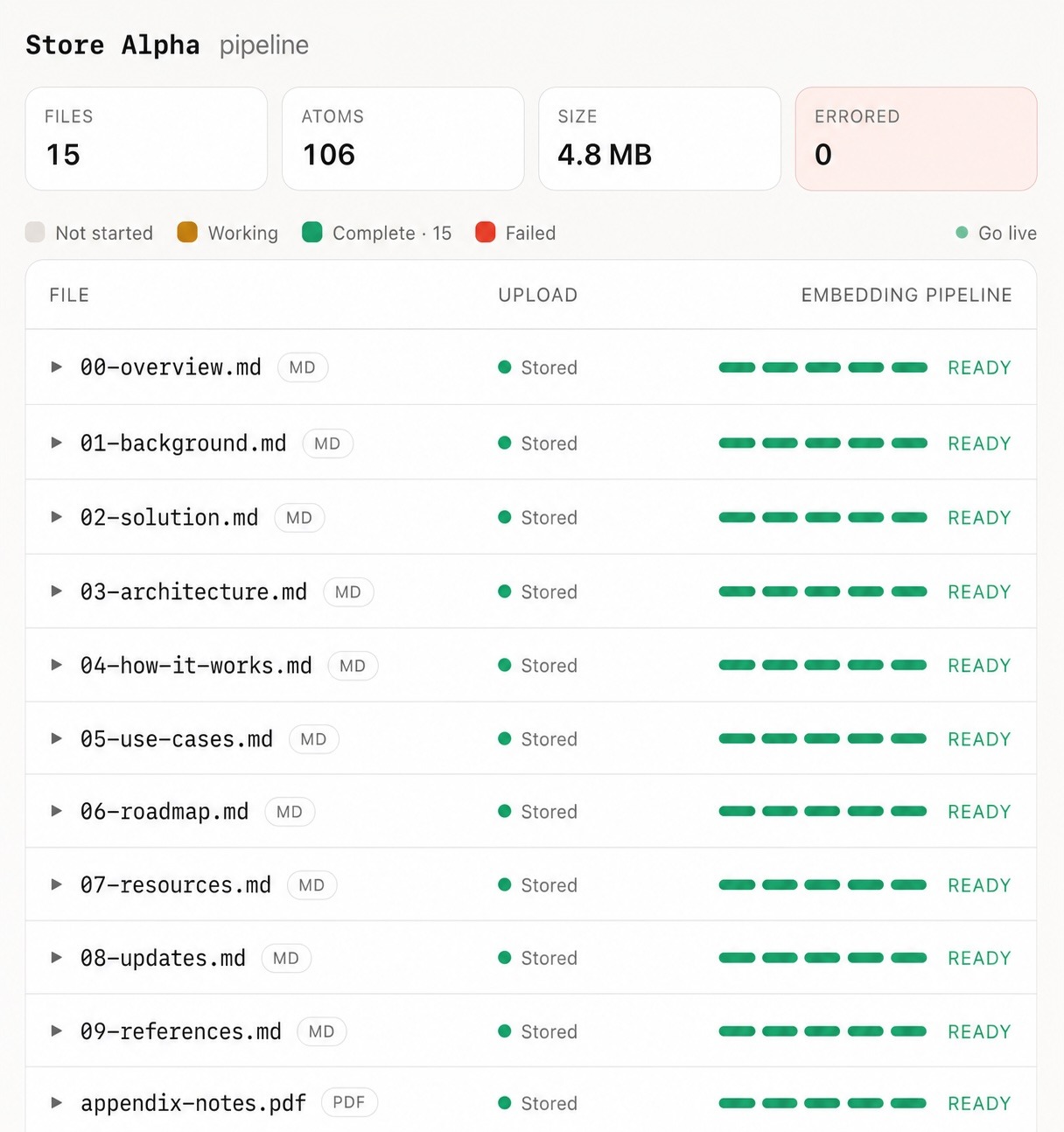
Every file is tracked from upload through five embedding stages. Atoms are the billable unit, and the count is visible before you are charged for it.
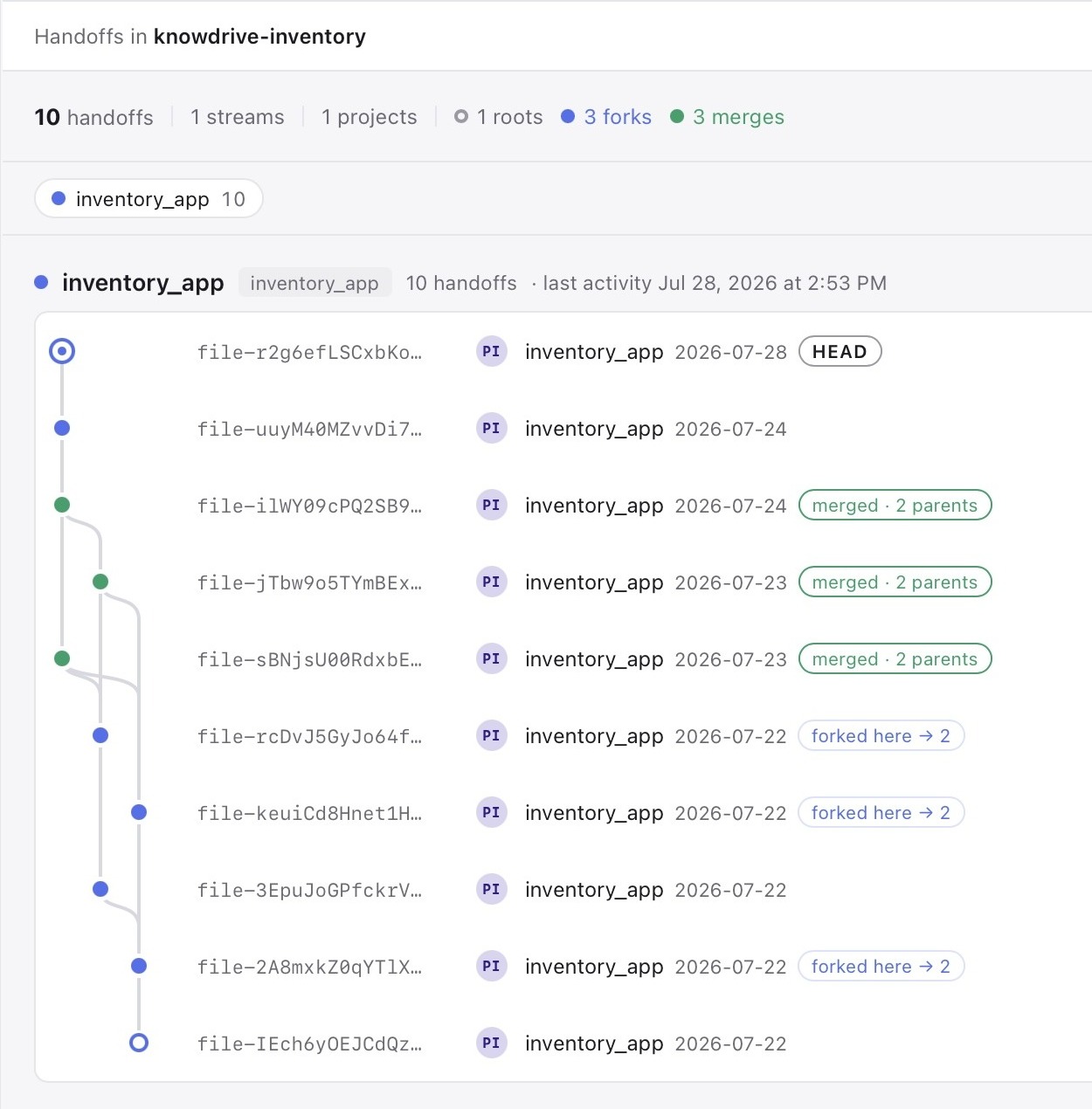
Agent sessions form a real history graph that forks when work runs in parallel and merges when it rejoins. Two people's agents can share one corpus without overwriting each other.
Sample corpora shown. Open the app
The same product, provisioned three ways. Pick the one your security review already approves of. The drive is yours either way.
A fully managed, isolated tenant in KnowDrive Cloud. The fastest path to production.
Isolated tenant, KnowDrive Cloud
Vectors and source data stay in your bucket. KnowDrive computes over it through a scoped IAM role.
Your cloud account
Hardened containers shipped to your data centre, with an offline licence and manual updates.
Your data centre
It runs in one session, from an MCP client you already have open.
One OAuth MCP connection from Claude Code, Claude Desktop, or any MCP client.
~30 secondsA card-free personal drive, quota’d and private. Team stores when the team shows up.
1 commandFiles, folders, URLs, transcripts, media. Vectorized once, versioned, tagged.
same sessionEvery session after this one starts warm. The meter only moves when it reads.
activationWe cut the corpus into small, self-sufficient atoms at embedding time. One fixed write. The reader is chosen later: tiny model or frontier, your call, forever.
Cut the corpus once, sized for the smallest reader you might ever want to use. Everything larger works trivially.
So the reader stays your choice. Switch models, or model versions, and the corpus never moves.
Reads scale to zero when your agent is quiet. Storage is a monthly floor, priced per GB.
Interactive · VORAS: Vectorize Once, Read at Any Scale.
Every dot is one atom of the same embedded corpus. Change the reader and watch the read pattern change shape. The field underneath it never does.
A wide fleet of small readers fans out and takes the corpus in parallel: many tiny reads, everywhere at once.
312 atoms · positions fixed
Switch readers as often as you like: mid-project, mid-conversation, or a model generation from now. Nothing above re-embeds the corpus, because the write already happened, and it only happens once.
Illustrative. The read shapes and counts here are chosen to show the principle. They are not benchmark results or a pricing model.
Shipped
We run Recourse Software on KnowDrive. Our GTM brain, memory sync and session handoffs all live in it. The company depends on it to operate.
Three meters, and that is the whole model: the atoms we mint from your files, the GB they occupy, and the reads you make against them.
one-time, per atom
$1 / 1,000
monthly, per GB
$0.10 / GB-mo
per query
$1 / 10,000
$0
500 atoms, card-free
$19
/mo minimum
$249
/mo min · SSO, audit logs
$5,120
/mo min · single-tenant
Usage draws against the monthly minimum before anything is added to it.
Three brothers. One room. We’ve been arguing about deep systems engineering, enterprise open-source distribution, and consumer-scale product for over 20 years. Now we’re solving it together.
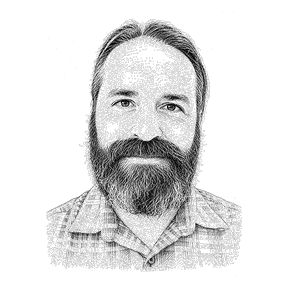
Architecture
End-to-end design of the orchestration token optimization layer. Military constrained-systems architect. Patented and deployed systems alongside Canada’s DND/CANSOF.
LinkedIn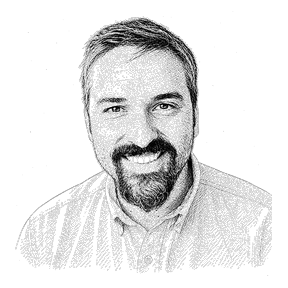
Go-to-market
Built MouseHunt, one of the first Facebook games ever and still running two decades later. Alpha partner on Facebook’s payment, distributed-asset and localization systems.
LinkedIn
Platform & community
Ran commercial enterprise open source at scale, managing the code of thousands of developers globally and 600,000+ active deployments.
LinkedInVectorize once. Read at any scale. Pay for what you read, when you read it, and the meter rests when your agent does.